
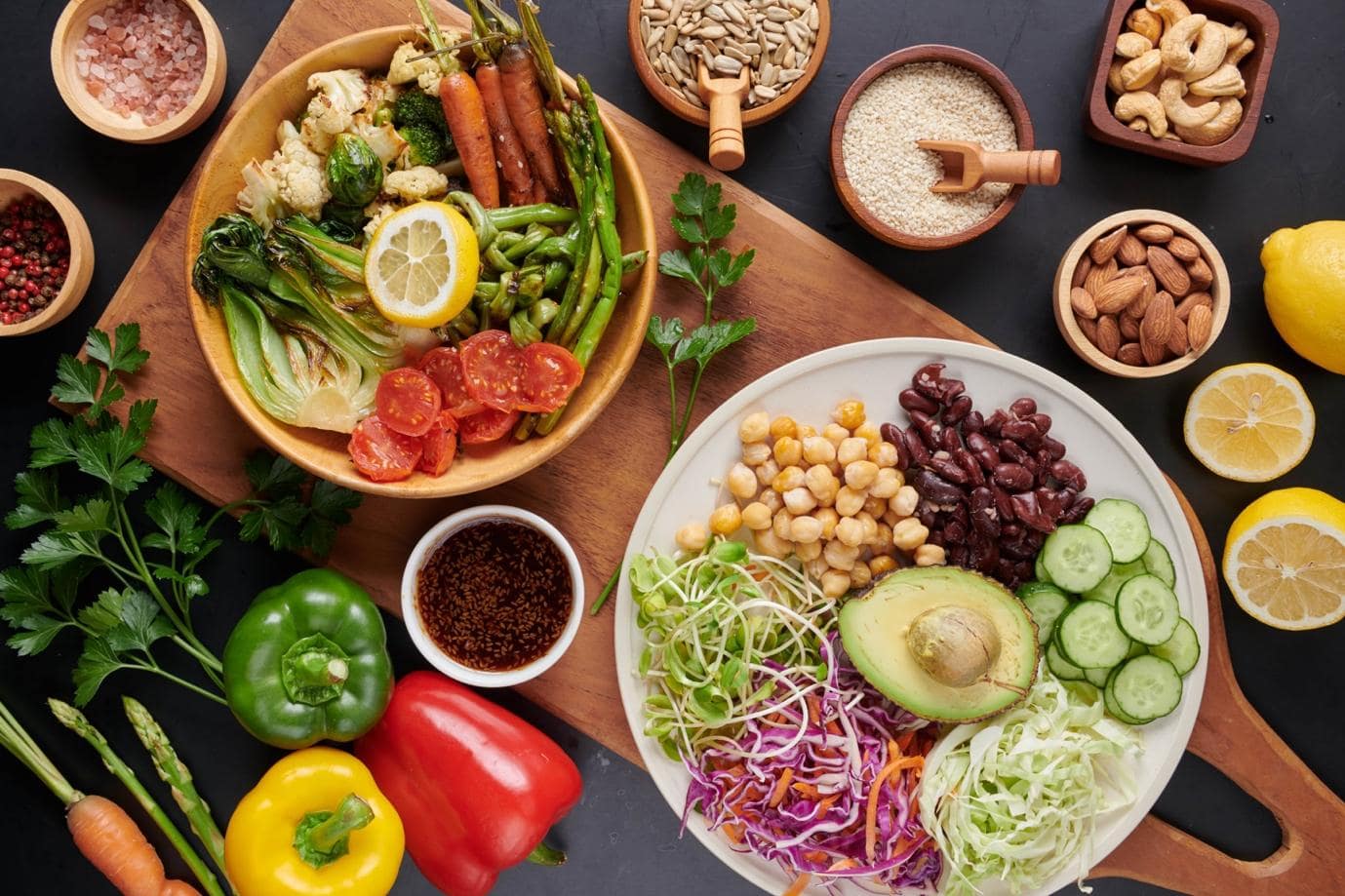
When you’re preparing for in vitro fertilization (IVF), every choice matters — including what you put on your plate. Nutrition can play a crucial role in supporting reproductive health, balancing hormones, and enhancing the success rates of IVF. While IVF involves sophisticated medical intervention, a fertility-friendly diet can complement the process by nourishing your body for optimal performance.
In this comprehensive guide, we’ll break down what to eat before and during IVF treatment, which nutrients matter most, and tips to build a meal plan that supports fertility for both women and men.
Why Diet Matters for IVF Success
The link between nutrition and fertility is well-established. A balanced diet can:
- Improve egg quality and sperm health
- Regulate hormonal imbalances
- Enhance uterine lining for implantation
- Support a healthy BMI, which improves IVF outcomes
- Reduce inflammation and oxidative stress
Before diving into specific foods, it’s essential to understand that consistency is key. A fertility-friendly diet should ideally start three months prior to IVF, as that’s how long it takes for eggs and sperm to mature.
Key Nutrients That Support Fertility
Here are the essential vitamins, minerals, and nutrients that form the foundation of a fertility-boosting diet:
- Folate (Vitamin B9)
Folate supports healthy ovulation and reduces neural tube defects. Choose natural sources of folate over synthetic folic acid when possible.
Sources: Spinach, lentils, avocados, oranges, chickpeas
- Iron
Low iron can lead to anovulation (lack of ovulation). Plant-based iron sources paired with Vitamin C improve absorption.
Sources: Pumpkin seeds, tofu, quinoa, leafy greens, beans
- Omega-3 Fatty Acids
Omega-3s are known to improve egg quality and support embryo implantation. They also reduce inflammation, which is crucial for hormonal balance.
Sources: Salmon, flaxseeds, walnuts, chia seeds, DHA-enriched eggs
- Protein (Plant and Lean Animal Sources)
A balance of plant and animal proteins contributes to better IVF outcomes. Plant proteins reduce inflammation and support metabolic health.
Sources: Lentils, beans, chicken, turkey, eggs, tofu
- Zinc
Zinc helps regulate hormone levels and supports sperm production in men.
Sources: Pumpkin seeds, cashews, oysters, whole grains
- Vitamin D
Vitamin D deficiencies are linked to lower fertility rates and IVF failures.
Sources: Fortified dairy or plant milk, mushrooms, fatty fish, sunlight
- Antioxidants (Vitamin C, E, Selenium)
They fight free radicals that can damage egg and sperm DNA.
Sources: Berries, nuts, green tea, colorful vegetables, Brazil nuts
Fertility Diet Before IVF: What to Eat in the Pre-Treatment Phase
The months leading up to IVF are critical. Here’s how to prepare your body nutritionally:
- Load Up on Leafy Greens and Colorful Vegetables
Aim for 5–7 servings per day. The more color on your plate, the more diverse your intake of antioxidants and phytonutrients.
Examples: Kale, spinach, broccoli, red bell peppers, carrots, sweet potatoes
- Choose Whole Grains Over Refined Carbs
Refined carbs spike insulin and can throw off hormonal balance. Instead, pick complex carbs.
Best choices: Brown rice, quinoa, millet, oats, whole wheat pasta
- Add Healthy Fats
Healthy fats are essential for hormone production and brain development of the fetus.
Examples: Olive oil, avocados, nuts, seeds, ghee (in moderation)
- Limit Processed Foods and Sugar
Processed foods often contain trans fats, excess salt, and additives — all harmful to reproductive health.
Avoid: Packaged snacks, sugary drinks, fast food
- Hydrate Intelligently
Aim for 8–10 glasses of water daily. Hydration helps nutrient transport, hormone production, and egg health.
You can also include herbal fertility-supportive teas (like raspberry leaf or nettle) after discussing with your doctor.
Fertility Diet During IVF Treatment
Once IVF treatment begins, your body is under a different type of stress — hormonal injections, egg retrieval, and embryo transfer. Focus on anti-inflammatory and soothing foods.
- Maintain Blood Sugar Balance
Unstable blood sugar levels can interfere with hormone levels. Eating low-glycemic, high-fiber meals can help.
Meal ideas: Oats with chia and berries, hummus with carrots, boiled eggs with avocado toast
- Stay on Top of Iron and Protein Intake
Post-retrieval, some women feel fatigued or anemic. Boost your iron intake to replenish your body and prepare for pregnancy.
Meal ideas: Lentil soup with lemon, stir-fried tofu with spinach, chicken and quinoa salad
- Eat Warming, Easy-to-Digest Meals
Traditional Eastern medicine often recommends warm foods to “nurture the womb.”
Suggestions: Soups, bone broth, stews, roasted root vegetables, khichdi (Indian lentil-rice dish)
- Minimize Inflammation
Avoid dairy (if sensitive), fried food, red meat, and caffeine during this period.
Opt for green tea, turmeric milk, and ginger-based dishes to reduce inflammation and support digestion.
- Continue Omega-3 and Vitamin D Supplements
Consult your fertility specialist about appropriate doses. These nutrients continue to support embryo development and immune function.
Diet Tips for Men During IVF
Male fertility is half the equation. Encourage male partners to follow a similar nutrient-rich plan.
Men should:
- Eat antioxidant-rich fruits (blueberries, pomegranate, oranges)
- Avoid alcohol, tobacco, and processed meats
- Include zinc and selenium-rich foods (eggs, Brazil nuts, sunflower seeds)
- Stay hydrated and avoid plastic-packaged food to reduce BPA exposure
Foods to Avoid Before and During IVF
To improve IVF success, limit or completely avoid the following:
| Food Item | Why to Avoid |
| Alcohol | Lowers sperm count and egg quality |
| Caffeine (more than 200mg/day) | Affects hormonal balance and embryo implantation |
| High-mercury fish | Mercury can impair fetal brain development |
| Artificial sweeteners | May disrupt hormonal regulation |
| Soy (in excess) | Contains phytoestrogens that may interfere with estrogen |
| Raw or undercooked meat | Risk of foodborne illness |
| Soft cheeses/unpasteurized dairy | May carry listeria, harmful during conception/pregnancy |
Sample One-Day IVF Meal Plan
Breakfast:
– Oatmeal with flaxseeds, walnuts, blueberries, and a boiled egg
– Herbal tea or warm water with lemon
Mid-Morning Snack:
– Greek yogurt with pumpkin seeds
– 1 small orange or banana
Lunch:
– Grilled salmon with quinoa and sautéed spinach
– Mixed greens with olive oil dressing
Afternoon Snack:
– Handful of almonds and dates
– Green tea
Dinner:
– Lentil soup with brown rice
– Steamed broccoli and carrots
– Turmeric milk or chamomile tea before bed
Final Thoughts
While there’s no magic food that guarantees IVF success, a fertility-friendly diet plays a powerful supportive role. It nourishes the body, stabilizes hormones, and creates an optimal internal environment for conception and pregnancy. Begin your dietary shift early, stay consistent, and focus on wholesome, nutrient-rich foods that fuel fertility.
Always consult your IVF doctor or a registered fertility nutritionist before making drastic dietary changes or taking supplements. A personalized diet plan, tailored to your medical history and hormonal profile, often yields the best results.



Leave a Reply