
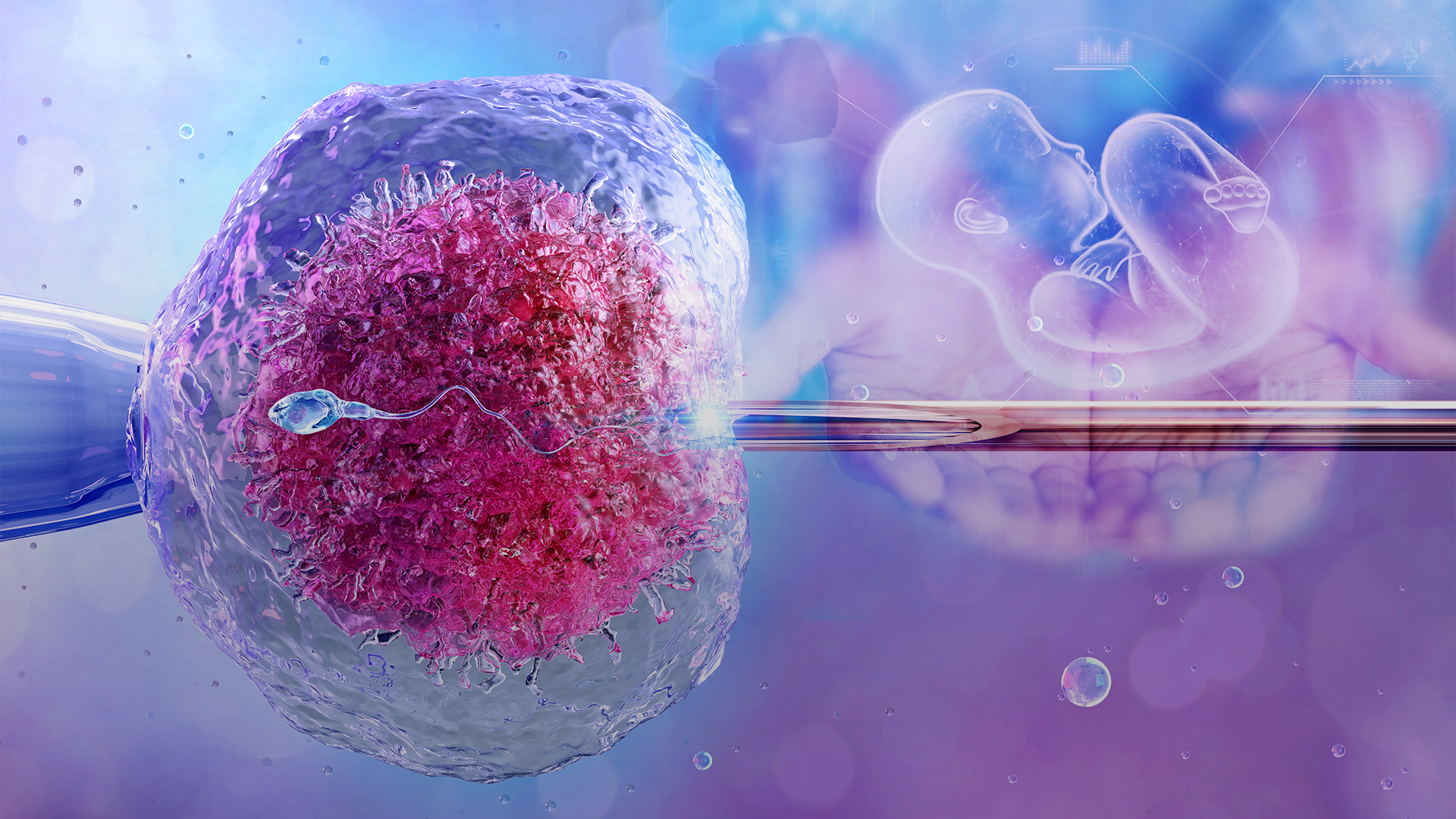
In Vitro Fertilization (IVF) has transformed the world of reproductive medicine, offering hope to millions of couples and individuals who face challenges in conceiving naturally. As one of the most widely known assisted reproductive technologies (ART), IVF has made parenthood a reality for those battling infertility, genetic disorders, or age-related reproductive decline.
This beginner’s guide explores what IVF is, how it works, who it is for, and what to expect at each stage of the journey.
What Is IVF?
IVF (In Vitro Fertilization) is a medical process where an egg is fertilized by sperm outside the body, in a laboratory setting. The term “in vitro” means “in glass,” referring to the Petri dish where fertilization takes place. Once the egg is successfully fertilized and develops into an embryo, it is then transferred into the uterus, where it may implant and develop into a pregnancy.
Initially developed in the late 1970s, IVF has since undergone vast improvements and now includes a range of advanced techniques to improve success rates, including ICSI (Intracytoplasmic Sperm Injection), embryo freezing, and genetic screening.
Why Is IVF Used?
IVF is typically recommended when other fertility treatments have failed or when there are specific medical conditions preventing natural conception. Common reasons for undergoing IVF include:
- Blocked or damaged fallopian tubes
- Male infertility (low sperm count or motility)
- Ovulation disorders or irregular cycles
- Endometriosis
- Unexplained infertility
- Genetic conditions that one or both partners may carry
- Advanced maternal age
- Same-sex couples or single individuals seeking biological children via donor sperm or eggs
Step-by-Step: How IVF Works
Understanding how IVF works can help demystify the process and prepare hopeful parents for the journey ahead. Here’s a breakdown of the main stages of IVF treatment:
- Ovarian Stimulation
The IVF process begins with hormone therapy to stimulate the ovaries to produce multiple eggs (instead of the usual one egg per menstrual cycle). This typically involves daily hormone injections for 8–14 days, under close medical supervision.
Regular ultrasounds and blood tests are done to monitor follicle development and hormone levels.
- Egg Retrieval (Ovum Pick-Up)
Once the follicles are mature, a trigger injection is given to induce ovulation. After around 36 hours, a minor surgical procedure called egg retrieval is performed.
Using ultrasound guidance, a thin needle is inserted into the ovaries to extract the eggs. This procedure usually takes 20–30 minutes and is done under mild sedation or anesthesia.
- Sperm Collection and Preparation
On the same day as the egg retrieval, a sperm sample is collected from the male partner or a sperm donor. The sperm is then washed and processed to select the healthiest and most motile sperm.
In cases of male infertility, ICSI may be used to inject a single sperm directly into each mature egg.
- Fertilization and Embryo Culture
The eggs and sperm are combined in the lab, and fertilization is monitored over the next 24 hours. Once fertilized, the resulting embryos are grown in a controlled environment for 3 to 5 days.
Embryologists assess the embryos for quality, and in some cases, Preimplantation Genetic Testing (PGT) is done to screen for genetic abnormalities.
- Embryo Transfer
One or more healthy embryos are selected and transferred into the uterus using a thin catheter. This is a painless and non-surgical procedure, similar to a Pap smear.
After the transfer, the patient may be advised to rest and will receive medications like progesterone to support the uterine lining and help implantation.
- Pregnancy Test
About 10 to 14 days after embryo transfer, a blood test is conducted to check for pregnancy by measuring hCG (human chorionic gonadotropin) levels.
If positive, an ultrasound is scheduled in the coming weeks to confirm the heartbeat and viability of the pregnancy.
IVF Success Rates: What to Expect
Success rates vary depending on several factors:
- Age of the woman (younger women generally have higher success rates)
- Egg and sperm quality
- Underlying cause of infertility
- Lifestyle factors (such as smoking, BMI, and stress)
- Number of IVF cycles attempted
On average, the success rate per cycle for women under 35 is around 40–50%, but this declines with age. Many people require more than one cycle to achieve pregnancy.
Is IVF Painful or Risky?
IVF is generally safe, but like any medical procedure, it comes with potential risks and side effects, including:
- Mild side effects from medications (bloating, mood swings, headaches)
- Ovarian Hyperstimulation Syndrome (OHSS) – a rare but serious reaction to fertility drugs
- Multiple pregnancy (especially when more than one embryo is transferred)
- Ectopic pregnancy
- Emotional and psychological stress
It’s important to work with an experienced fertility team that offers medical and emotional support throughout the journey.
Emotional Aspects of IVF
The emotional toll of IVF is often underestimated. The rollercoaster of hope, anticipation, and sometimes disappointment can be draining.
Support from partners, counselors, support groups, and mental health professionals can make a significant difference. Many clinics now include fertility counseling as part of the IVF program.
Cost of IVF Treatment
The cost of IVF varies greatly by region, clinic reputation, and additional procedures required (like ICSI or PGT). In India, a basic IVF cycle can range from ₹1.2 to ₹2.5 lakh, while more advanced treatments may cost significantly more.
Some insurance plans may partially cover infertility treatments, while others do not. Many clinics offer financing options or EMI-based plans to make the process more accessible.
Alternatives and Add-Ons to IVF
Depending on the cause of infertility or the unique needs of a couple, several alternative or complementary techniques may be used:
- IUI (Intrauterine Insemination) – simpler and less invasive than IVF
- Donor eggs or donor sperm – in cases of poor gamete quality
- Surrogacy – when the uterus cannot carry a pregnancy
- Fertility preservation – egg, sperm, or embryo freezing for future use
Add-on treatments like laser-assisted hatching, embryo glue, or acupuncture are also being explored in some clinics, though their benefits are still debated.
Is IVF Right for You?
Choosing IVF is a deeply personal decision. It’s not just about age or medical diagnosis — it also depends on emotional readiness, financial capability, lifestyle, and long-term family goals.
A consultation with a fertility specialist is the best starting point. They will assess your medical history, recommend appropriate tests, and help you understand whether IVF is the best option or if other treatments should be explored first.
Final Thoughts: IVF as a Journey, Not a Quick Fix
IVF is a groundbreaking medical advancement that has brought the joy of parenthood to millions. But it’s also a journey — one that demands time, patience, resilience, and hope. For those struggling with infertility, IVF can offer a lifeline, but it’s important to be informed, prepared, and supported throughout the process.
If you or someone you know is considering IVF, this beginner’s guide is a good starting point to understand the process, expectations, and emotional landscape. With the right medical guidance and emotional support, IVF can be a step toward building the family you’ve always dreamed of.



Leave a Reply